Charlotte Exterior Painting Guide: Climate, Color Trends, and the Real Cost of Waiting
What Every Charlotte Homeowner Needs to Know Before Repainting Their Home's Exterior
If you have ever noticed paint bubbling near your roofline after a rainy stretch or watched the color on your south-facing siding fade faster than expected, you are not imagining things. Charlotte's climate is genuinely tough on exterior paint, and the consequences of ignoring the signs go far beyond aesthetics. From rotten wood repairs that can climb past $10,000 to mold creeping across your siding from tree canopy shade, the stakes are real.
Painting & Moore has worked on homes throughout the Charlotte region long enough to understand that not every house faces the same challenges. Where you live, how much sun your siding gets, and how long you wait to repaint all play a role in how much you will spend and what kind of results you will get. This guide breaks it all down so you can make a smarter, better-informed decision.
Why Charlotte's Climate Makes Exterior Paint Work Harder
Charlotte sits squarely in a humid subtropical climate zone. Summers bring thick moisture, sudden afternoon thunderstorms, and humidity that can hover above 70 percent for days at a time. That number matters more than most homeowners realize.
When paint is applied at humidity levels above 70 percent, moisture gets trapped beneath the surface during the drying and curing process. The result is blistering, bubbling, and peeling that shows up weeks or months after the job is done. Even worse, wood siding that is painted while damp acts like a sealed container. Trapped moisture causes the wood to rot from the inside out, turning what looked like a simple repaint into a much more expensive repair project.
This is why professional timing and preparation are not optional extras. They are the foundation of a paint job that actually lasts.
The Hidden Cost of Waiting Too Long
Here is the statistic that should get every Charlotte homeowner's attention: deferred exterior maintenance dramatically spikes the cost of the project. Proactive repainting is one of the most cost-effective home maintenance investments you can make. But if you wait until paint is visibly cracking or peeling, you are often looking at wood rot repairs that range from $1,000 to over $10,000 depending on how far the damage has spread.
Replacing water-damaged trim, fascia, or soffits can run anywhere from $2,500 to $8,000 on its own, before a single drop of paint is applied. The math is straightforward: a well-timed exterior painting in Charlotte NC project prevents the kind of structural damage that turns a manageable expense into a serious financial headache.
Your Neighborhood Affects How Your Home Wears
One of the most overlooked factors in Charlotte exterior painting is neighborhood microclimate. Two homes built the same year with the same materials can age very differently depending on where they sit.
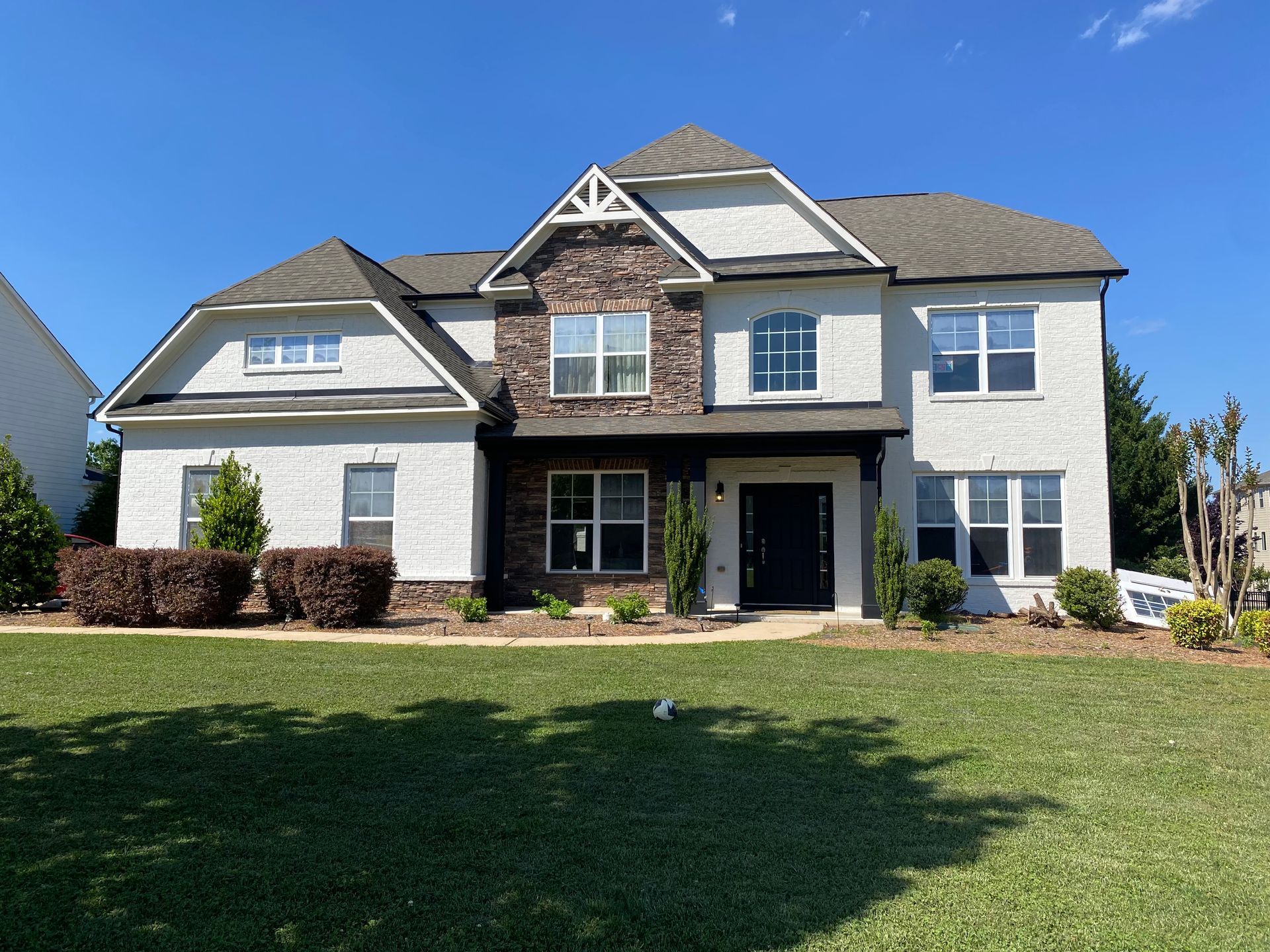
Homes in shaded neighborhoods like Myers Park, Dilworth, and SouthPark deal with the canopy effect. Mature oak trees keep these properties cool and shaded, but they also trap moisture against siding, trim, and decks for longer periods. This creates ideal conditions for mold, algae, and wood decay. These homes benefit from thorough pressure washing and mold treatment before any new coating is applied, along with specialized products that resist biological growth.
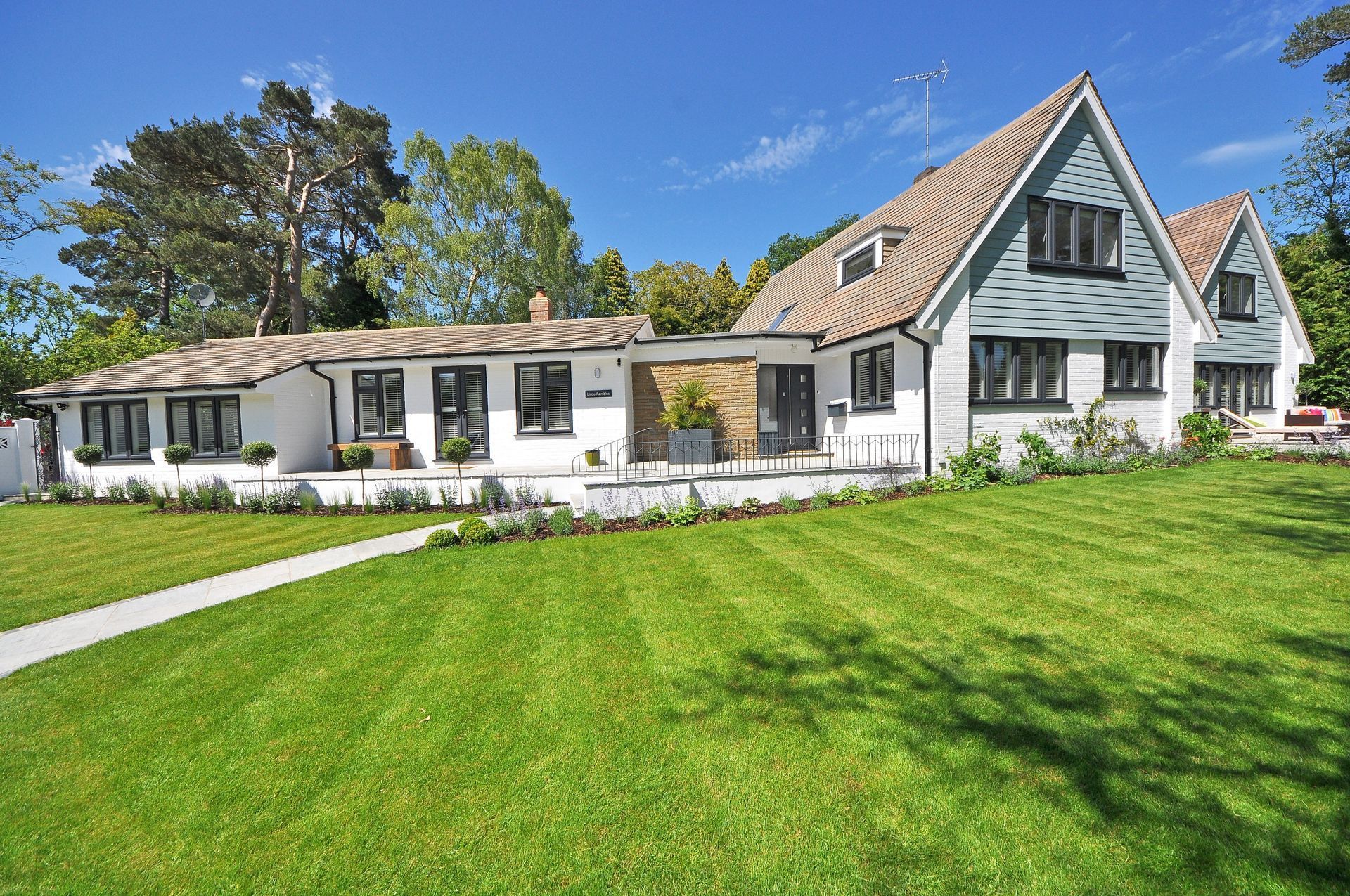
Homes in sunnier, newer developments like Ballantyne and South End face the opposite challenge. Without mature tree cover, south-facing walls take the full force of UV radiation through the hottest parts of the day. The result is rapid color fading and heat-induced paint cracking. These homes require highly UV-resistant coating systems and precise priming to protect the paint film from breaking down prematurely.
Knowing which category your home falls into shapes every decision from product selection to preparation approach.
The Right Products Make All the Difference
The shift away from traditional oil-based paints has accelerated in recent years, and for good reason. Modern 100% acrylic latex formulas, including premium lines from Sherwin-Williams and PPG, offer a combination of benefits that older products simply cannot match. They are flexible enough to expand and contract with Charlotte's temperature swings without cracking. They allow moisture vapor to escape rather than trapping it beneath the surface. And most importantly for this region, they include built-in mildewcides that actively resist the aggressive mold and mildew growth that Charlotte's humidity encourages.
Choosing the right product for your home's specific exposure conditions is one of the most valuable things a professional contractor brings to the table.
Color Trends Worth Knowing in 2026
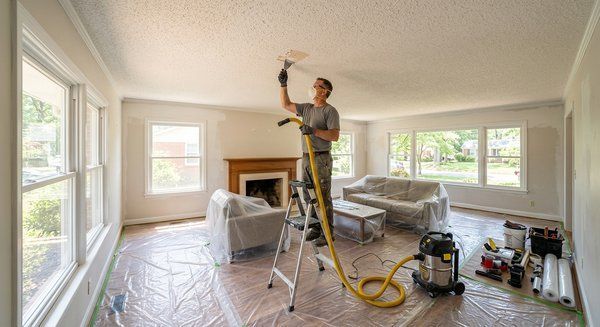
Beyond protection and maintenance, homeowners across Charlotte are using paint to create spaces that feel more personal, comfortable, and timeless. While cool grays and stark whites once dominated interior design, 2026 continues the shift toward warmer, nature-inspired colors that bring character and balance into the home.
Soft neutrals remain a favorite choice, but today's palettes lean richer and more layered. Warm whites, creamy beiges, mushroom tones, and earthy taupes are especially popular in Charlotte's established and upscale neighborhoods. Homeowners are also embracing deeper accent colors that add depth without overwhelming a room. Shades like olive green, muted navy, clay-inspired terracotta, and rich cocoa brown are appearing on feature walls, built-in cabinetry, dining rooms, and even ceilings to create a more customized look.
Another growing trend is color drenching, where walls, trim, and sometimes ceilings are painted in complementary shades of the same color family. This approach creates a sophisticated, cohesive feel while making spaces appear more intentional and inviting. Whether you're planning a full interior refresh or updating a few rooms, choosing a modern color palette can dramatically transform how your home looks and feels. If your walls still reflect design trends from several years ago, 2026 may be the perfect time to explore a fresh new direction.
Frequently Asked Questions
How often should Charlotte homeowners repaint their home's exterior?
Most exteriors in Charlotte should be repainted every 5 to 7 years, though this varies based on your siding material, sun exposure, and tree canopy. Homes in heavily shaded areas may need repainting sooner due to mold and moisture buildup.
What are the warning signs that my exterior paint is failing?
Look for peeling, bubbling, or cracking paint, chalky residue when you run your hand along siding, visible mildew or dark staining, and any soft or spongy areas in wood trim. These are signs that the protective barrier has broken down and repairs should not be delayed.
Can I paint my home's exterior during Charlotte's summer humidity?
Timing is critical. Paint should not be applied when humidity is above 70 percent or when rain is expected within 24 hours. Professional painters monitor conditions carefully and schedule work during appropriate weather windows to prevent moisture-related failures.
Does Painting & Moore handle wood rot repairs before painting?
Yes. Addressing rotten wood before repainting is a standard part of the preparation process. Painting over damaged wood traps moisture and accelerates further decay. Identifying and replacing compromised material first ensures the new paint job actually protects your home.
What interior colors are Charlotte homeowners choosing right now?
Warm neutrals like creamy whites, soft beiges, and taupes are extremely popular, along with richer accent shades like chocolate brown, forest green, and terracotta. These choices reflect a broader shift toward interiors that feel grounded, cozy, and personal rather than cool and minimal.
Protecting your home in Charlotte means understanding the climate, your neighborhood's specific conditions, and the real cost of waiting too long. Whether you are looking at a fresh exterior coat, a modernized interior palette, or a deck that needs attention before the next rainy season, getting a professional assessment is always the smartest first step.
Request Your Free Estimate Today