

Is Painting Brick Bad? Pros, Cons, and What to Know Before You Start
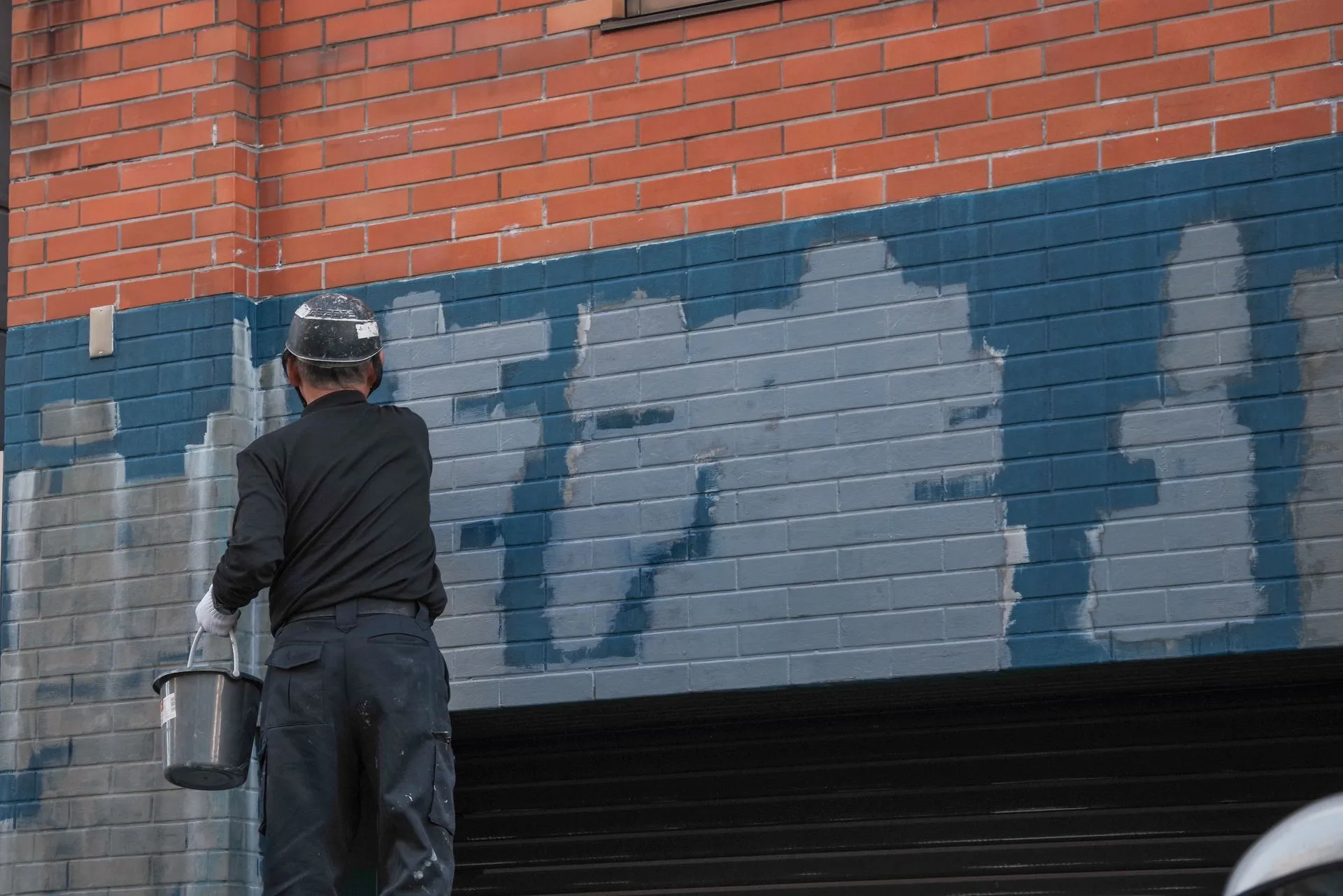
Brick has long been admired for its durability, classic appearance, and low-maintenance appeal. However, many homeowners and business owners in Charlotte, NC are now considering painting brick to modernize their properties or improve curb appeal. This often raises an important question: Is painting brick bad?
The short answer is that painting brick is not inherently bad, but it does come with advantages, drawbacks, and long-term considerations. Before starting a brick painting project, it’s essential to understand how paint interacts with brick, what preparation is required, and whether it’s the right choice for your specific property. This guide breaks down everything you need to know before picking up a paintbrush.
Understanding How Brick Surfaces Work
Brick is a porous material designed to absorb and release moisture naturally. This process allows brick to “breathe,” preventing trapped moisture that could otherwise cause damage. When you apply paint, especially the wrong type, you alter this natural moisture exchange.
Paint forms a film over the brick’s surface. If that coating does not allow vapor to pass through, moisture can become trapped inside the brick and mortar. Over time, this trapped moisture may lead to cracking, peeling paint, efflorescence, or even structural deterioration. This is why professional brick painting always begins with understanding the condition of the brick and selecting breathable coatings specifically designed for masonry.
Bricks that are already damaged, spalling, or saturated with moisture should never be painted until repairs are made. A professional evaluation can determine whether painting is safe or if alternative treatments, such as staining, are more appropriate.
The Pros of Painting Brick
When done correctly, painting brick can provide several practical and aesthetic benefits for both residential and commercial properties.
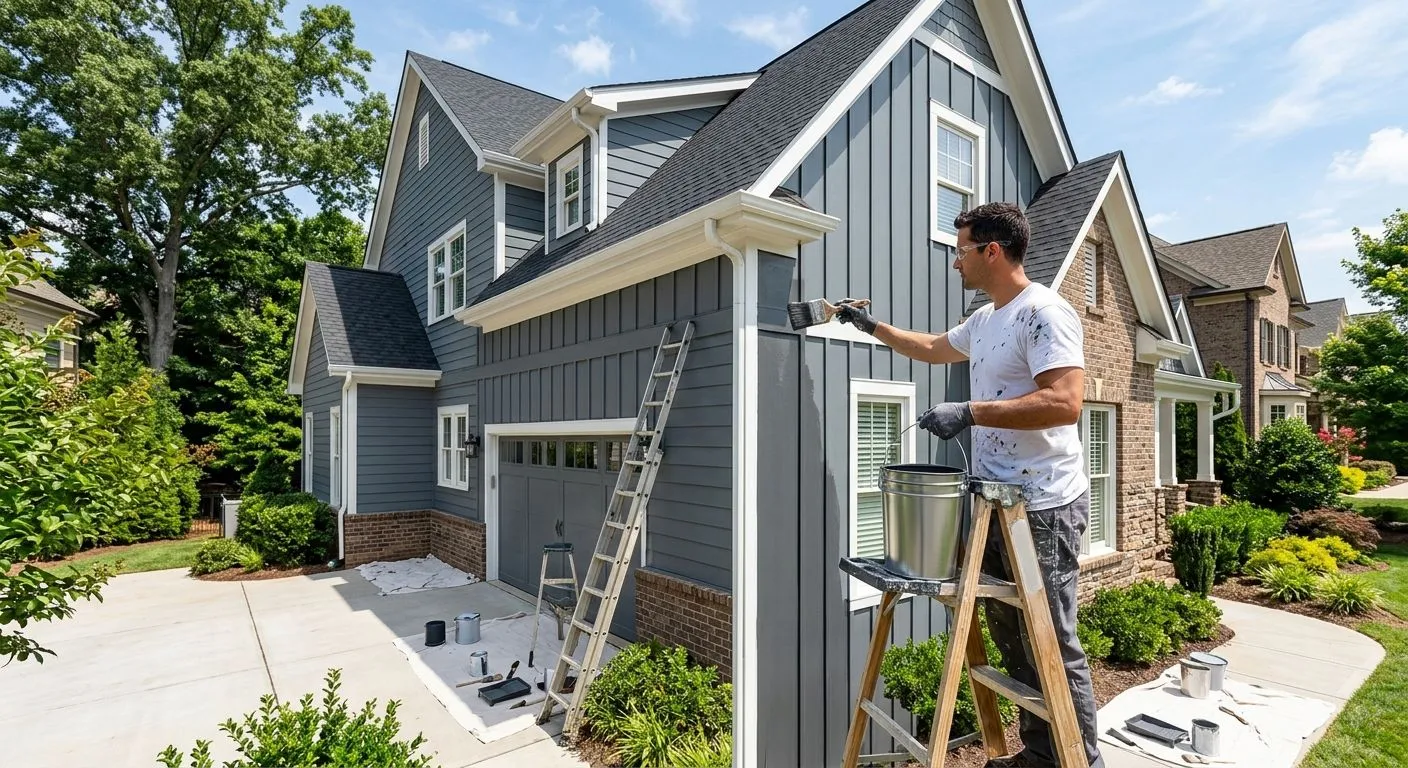
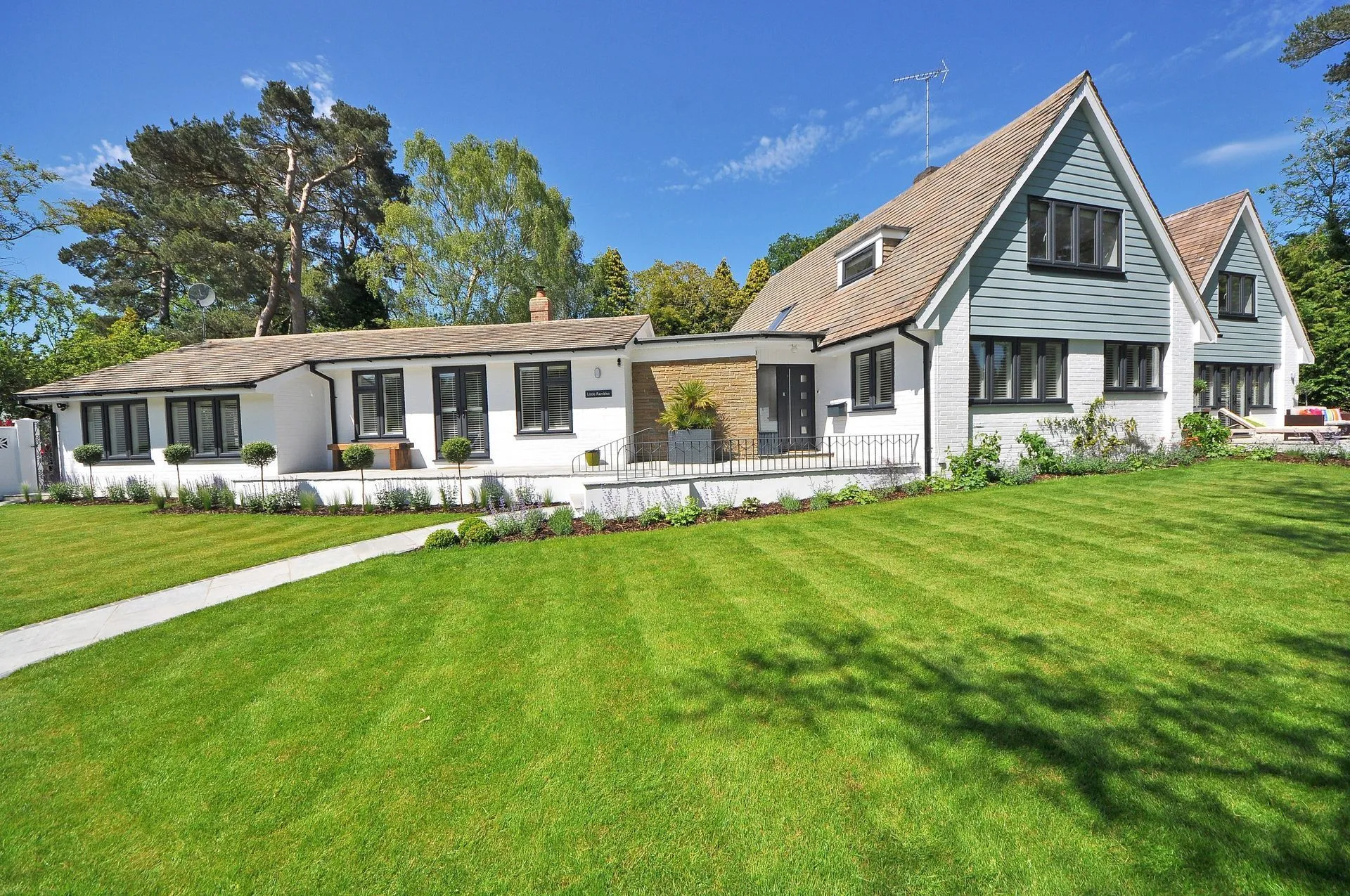
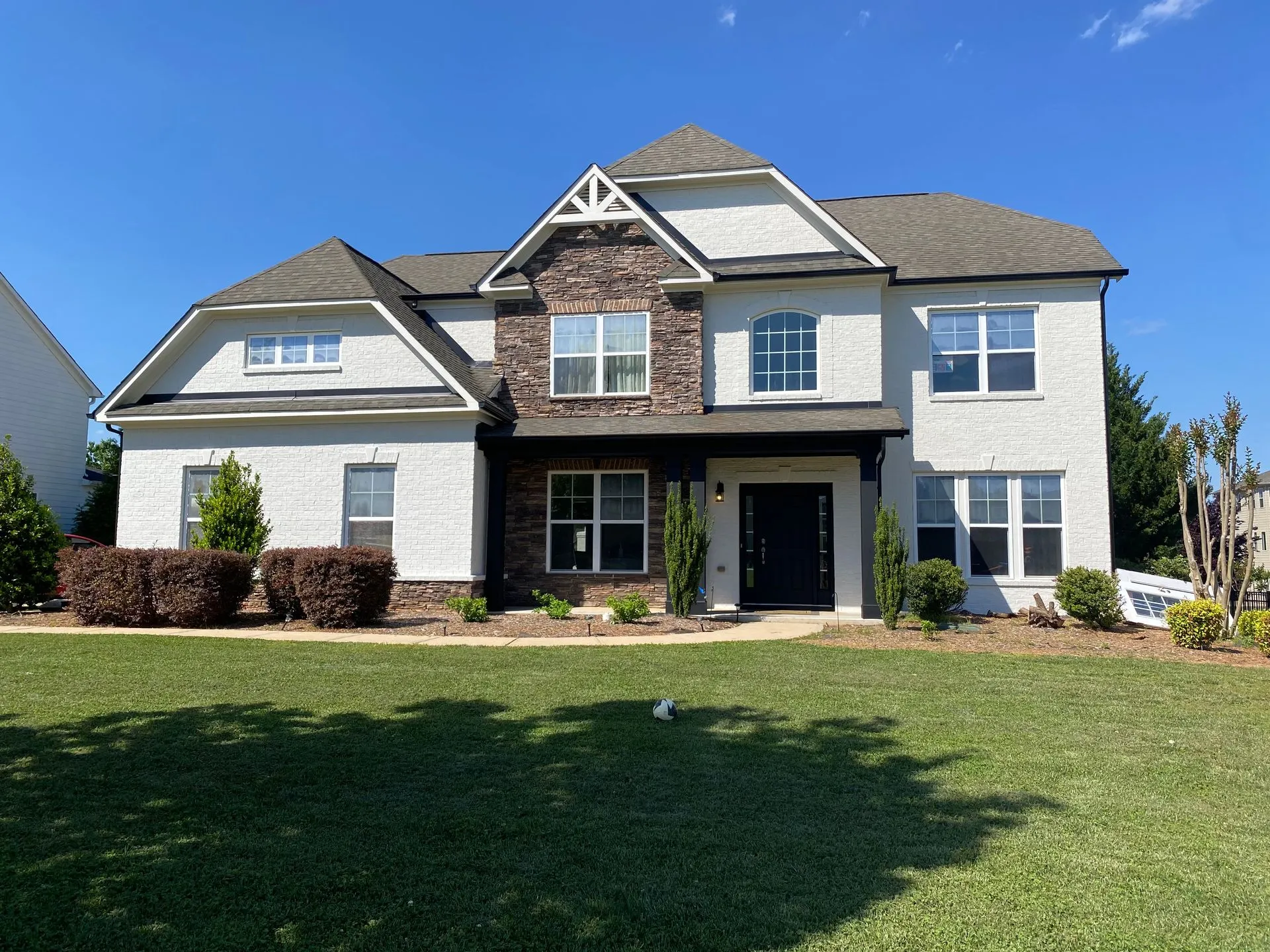
One of the biggest advantages is enhanced curb appeal. Painted brick offers a clean, modern look and can dramatically transform an outdated exterior. Neutral colors such as white, gray, or beige are especially popular in Charlotte neighborhoods, helping properties stand out while still blending into their surroundings.
Painting brick also allows for greater design flexibility. Natural brick colors are limited, but paint opens the door to endless customization. This is particularly beneficial for businesses that want to align their building’s appearance with branding or for homeowners looking to refresh their exterior without a full renovation.
Another benefit is surface protection. High-quality masonry paint can help shield brick from UV exposure, wind-driven rain, and minor surface wear. When paired with proper prep and maintenance, this protective layer can extend the life of older brick surfaces.
Finally, brink painting can increase perceived property value. While this depends on buyer preferences, a professionally painted brick exterior often photographs better, looks well-maintained, and creates a strong first impression.
The Cons and Risks of Painting Brick
Despite its benefits, painting brick is not without drawbacks. One of the most important considerations is permanence. Once a brick is painted, returning it to its original state is extremely difficult and costly. Paint removal typically requires abrasive methods that can damage the brick’s surface.
Another major concern is moisture-related damage. If non-breathable paint is used or if the brick is not properly cleaned and dried before painting, moisture can become trapped beneath the paint layer. This often leads to bubbling, flaking, and peeling paint, along with deterioration of the brick and mortar beneath.
Painted brick also requires ongoing maintenance. Unlike natural brick, which can last decades with minimal care, painted surfaces need periodic touch-ups and repainting every 7 to 10 years, depending on exposure and paint quality.
Additionally, some buyers prefer the authenticity of natural brick. In certain markets, painted brick may limit appeal rather than enhance it. This is why it’s important to consider long-term goals before committing to a brink painting project.
Key Factors to Consider Before Painting Brick
Before painting brick, several critical factors should be evaluated to ensure the project’s success.
First, assess the condition of the brick and mortar. Cracks, crumbling mortar, mildew, and efflorescence must be addressed before painting. Painting over existing issues only hides problems temporarily and can worsen damage over time.
Second, climate matters. Charlotte’s humid summers and variable weather patterns make proper preparation especially important. Brick must be thoroughly cleaned and allowed to dry completely before any paint is applied. Using breathable masonry paint designed for humid climates is essential.
Third, consider paint selection. Not all paints are suitable for brick. Acrylic latex masonry paints or mineral-based paints allow moisture vapor to escape while still providing coverage and durability. Choosing the wrong product is one of the most common mistakes in brink painting.
Finally, think about long-term commitment. Painting brick is not a quick cosmetic fix. It’s a long-term decision that affects maintenance, appearance, and resale value for years to come.
Why Professional Brick Painting Makes a Difference
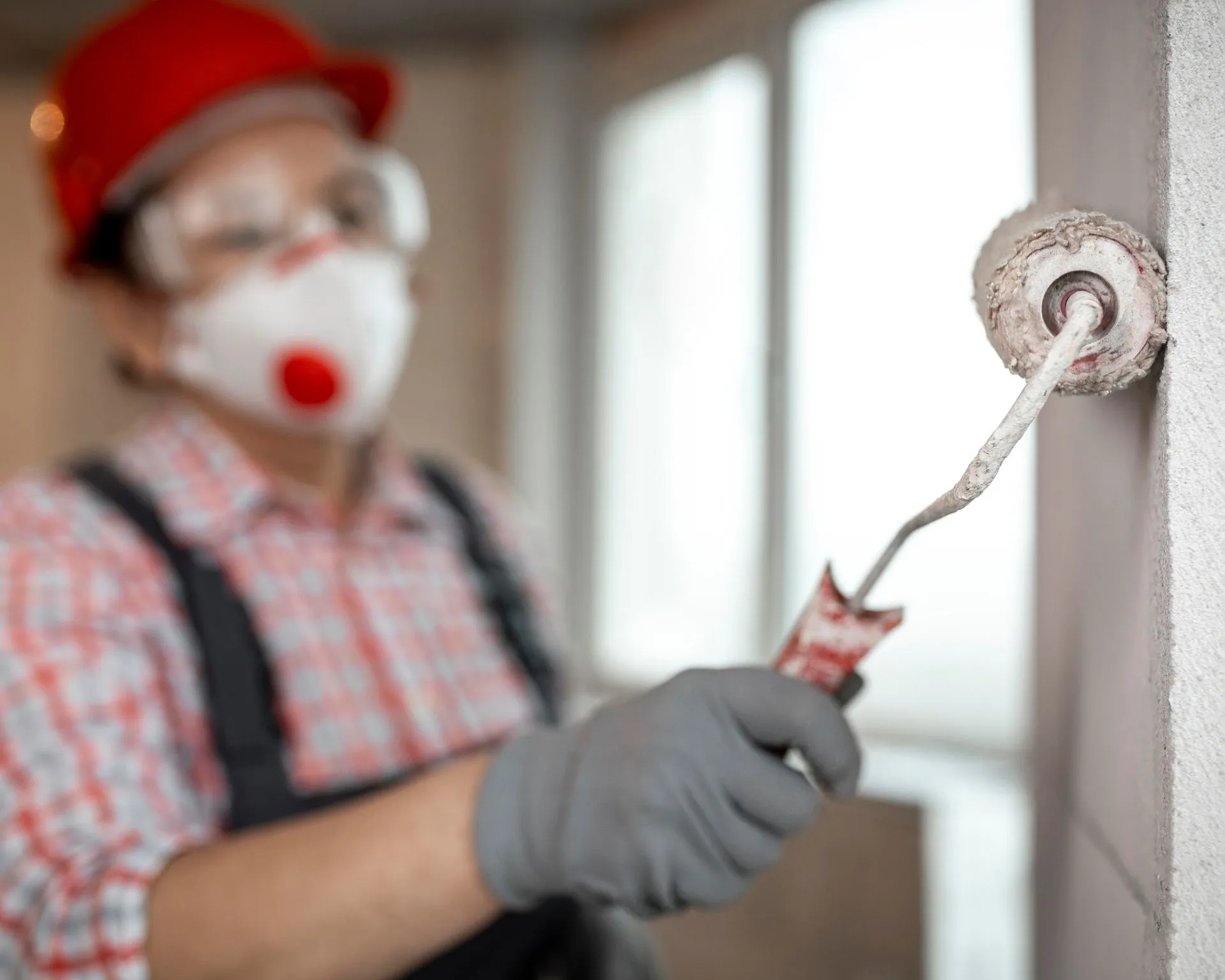
While DIY painting projects may seem appealing, brick painting is not a typical weekend job. Professional painters understand how to evaluate brick condition, select proper coatings, and apply paint in a way that preserves the integrity of the surface.
A professional brick painting process includes pressure washing or chemical cleaning, repairs to mortar joints, priming when necessary, and applying paint at the correct thickness. Skipping or rushing any of these steps significantly increases the risk of failure.
Hiring experienced painters also ensures compliance with manufacturer warranties and industry best practices. Professionals know how to adapt techniques for Charlotte’s climate and can recommend colors and finishes that enhance your property while minimizing future maintenance.
In the long run, professional brick painting often costs less than repeated DIY repairs or premature repainting due to improper application.
Final Thoughts: Is Painting Brick a Good Idea?
So, is painting brick bad? The answer depends on how and why it’s done. When brick is in good condition, properly prepared, and painted with breathable materials by professionals, painting brick can be a smart investment that enhances appearance and protects the surface.
However, painting brick without understanding moisture dynamics, climate conditions, and long-term maintenance can lead to costly problems. The key is making an informed decision and working with experts who specialize in masonry and exterior painting.
Transform Your Brick Surfaces with Painting & Moore, Inc
If you’re considering brick painting for your home or business in Charlotte, NC, Painting & Moore, Inc is here to help. Our experienced team uses proven techniques and high-quality materials to ensure beautiful, long-lasting results.
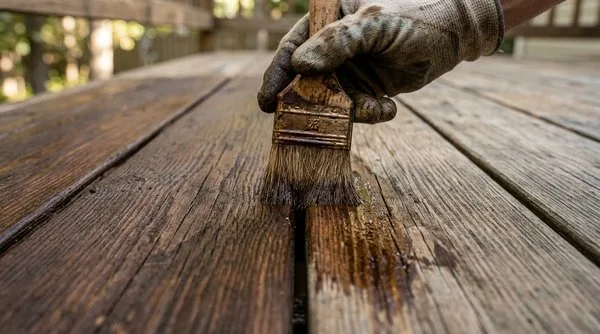
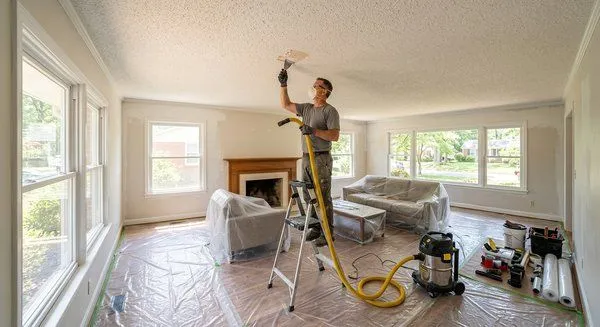
We also paint exteriors, interiors, stain decks, and remove wallpaper.
Call (704) 567-7781 today to schedule a consultation and learn how we can bring your vision to life with professional brick painting services you can trust.
Frequently Asked Questions
Is painting brick permanent?
Yes, painting brick is considered a permanent change. While paint can be removed, the process is expensive and may damage the brick surface.
What type of paint should be used for brick?
Breathable masonry or mineral-based paints are best, as they allow moisture vapor to escape while protecting the brick.
How long does painted brick last?
With proper preparation and professional application, painted brick typically lasts 7 to 10 years before needing repainting or touch-ups.
Can painting brick cause damage?
Damage can occur if the brick is painted while wet, if the wrong paint is used, or if existing issues are not repaired beforehand.
Is professional brick painting worth it?
Yes. Professional brink painting ensures correct prep, proper materials, and long-term durability, reducing the risk of costly repairs later.